What is the Real Presence? Christ in the Eucharist
Not a symbol. Not a memory. The Church teaches that Jesus is truly, fully, and personally present in the Eucharist.
What does “Real Presence” mean in Catholic teaching?
The Real Presence is the Catholic doctrine that Jesus Christ is truly and substantially present, body, blood, soul, and divinity, in the Eucharist. Not as a symbol. Not as a spiritual feeling. As Himself.
This belief is among the most distinctive and central teachings of the Catholic faith. It is what makes the Mass not merely a memorial, but an encounter with the living God.
What the Catechism of the Catholic Church says
The Catechism is unambiguous. CCC 1374 states that “the mode of Christ’s presence under the Eucharistic species is unique.” It goes on to affirm that this presence is called “Real” not to exclude other modes of Christ’s presence, but because it is a presence in the fullest sense: a substantial presence.
The word Catholics use: transubstantiation
The Church uses the term transubstantiation to describe what happens at the moment of consecration. CCC 1376 teaches that the bread and wine do not merely represent Christ. Their entire substance is converted into the body and blood of Christ, while the appearances of bread and wine remain.
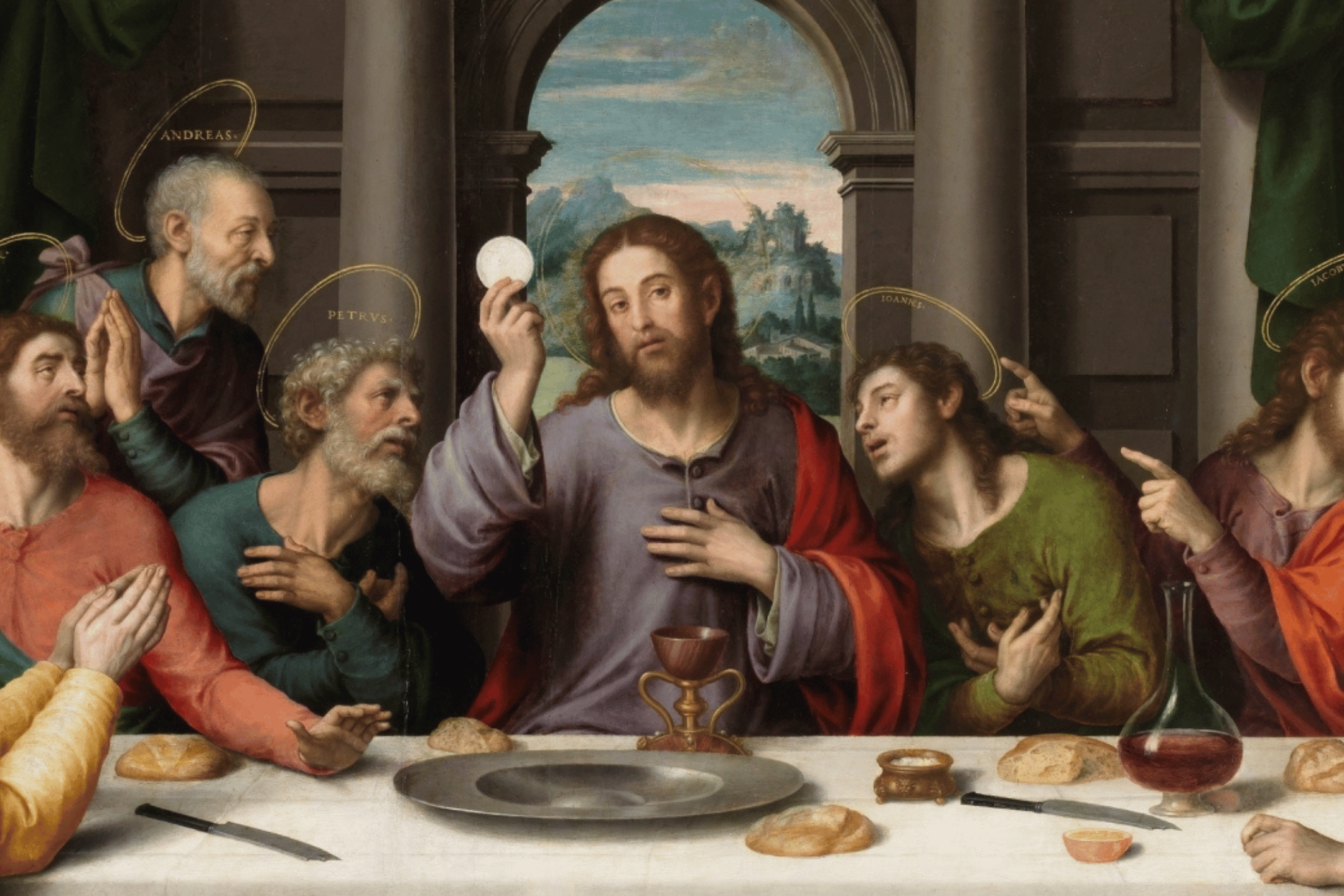
This is not philosophy for its own sake. It is the Church’s best effort to name a divine mystery in human language, a mystery grounded in the words of Christ Himself at the Last Supper: “This is my body.” (Luke 22:19)
What the Magisterium has consistently affirmed
The Magisterium has defended and proclaimed the Real Presence across centuries. From the Council of Trent in 1551 to Pope St. John Paul II’s encyclical Ecclesia de Eucharistia in 2003, the teaching authority of the Church has held this doctrine without wavering. CCC 1381 notes that the worship of adoration given to the Eucharist reflects this faith: we bow before the Host because we believe He is there.
Why the Real Presence matters for your life
If the Real Presence is true, then every Mass is an audience with God. Every reception of Communion is a union with Christ. Every hour of adoration is time spent in the literal presence of the One who created you.
This doctrine calls us to reverence, to preparation, and to gratitude. It changes how we approach the altar. It changes how we leave it.
Lord, I believe. Help my unbelief. Adoro te devote.